Land clearing costs between $500 and $6,000 an acre, depending on the method, the ground, and how much has to come out. Most crews cut it down with an excavator, pile the debris, and burn it. At Circle B3 Mulching & Land Works, we do it different. We run one machine, we mulch it in place, and we never leave you with a burn pile to deal with.
If you’re planning to clear land in South Mississippi or Southeast Louisiana, this guide walks you through every method, what it costs, what to expect on clearing day, and what our crew does differently from most contractors in the area.
What Is Land Clearing, and What Methods Are Out There?
Land clearing is the process of removing trees, brush, stumps, and undergrowth from a property so it can be used for building, farming, hunting, or just walking without fighting through briars. The method a crew picks changes your cost, your timeline, and what your land looks like when they leave.
Cut-and-haul uses an excavator or bulldozer to push over trees and dig stumps, then hauls or burns the debris. It’s the go-to for large commercial sites and heavy grading prep, but it’s the most expensive option and disturbs the most topsoil.
Skid steer clearing uses a smaller machine with a brush cutter or grapple attachment. It fits tight residential lots and fence lines well, but struggles with mature timber.
Forestry mulching — the method Circle B3 runs almost exclusively — uses a track machine with a rotating drum head that grinds trees and brush into mulch right where they stand. One machine, one pass, no separate hauling step. If mulching is the route you’re leaning toward, our forestry mulching page breaks down that process in more detail.
Did You Know? A forestry mulcher can clear brush and trees up to 8 inches in diameter in a single pass, turning what used to be a two-step process — cut, then haul — into one.
How Land Clearing Differs by Property Type
The right method depends on what the property is for. Homeowners clearing a wooded lot ahead of a build usually want the buildable footprint opened up without losing every mature shade tree — see our residential lot clearing page for that process specifically. Farmers and ranchers reclaiming overgrown pasture care most about what’s left behind, since mulched ground holds moisture and reseeds faster than scraped-bare dirt (our pasture and field clearing page covers that in depth). Hunting property owners usually want selective clearing — shooting lanes, food plots, access trails — rather than a full tract wipeout, which is where our hunting property clearing page comes in.
Pro Tip: If you’re clearing for a food plot or shooting lane, walk the property with your contractor beforehand and flag exactly what you want opened up. A few minutes with marking tape saves you from clearing more, or less, than you actually wanted.
How Much Does Land Clearing Cost?
The short answer: most land clearing jobs in South Mississippi run $500 to $2,500 an acre for mulching work, and up to $6,000 an acre or more for full cut-and-haul clearing on heavily wooded ground. Your final price depends on acreage, vegetation density, terrain, and whether debris needs to be hauled away.
| Method | Typical Cost Per Acre | Debris Handling | Best For |
| Forestry mulching | $500 – $2,500 | Left on-site as mulch | Most residential, hunting, and pasture land |
| Skid steer clearing | $800 – $2,000 | Piled or hauled | Small lots, fence lines, tight access |
| Excavator/bulldozer cut-and-haul | $2,500 – $6,000+ | Hauled or burned | Large commercial sites, full grading prep |
A handful of factors decide where your job lands on that range:
- Vegetation density. Scattered brush clears faster and cheaper than a lot packed with mature hardwoods.
- Terrain. Steep grades, wet ground, or rocky soil slow the work down and raise the cost.
- Debris handling. Mulching leaves material on-site as ground cover. Cut-and-haul clearing adds trucking and disposal fees on top of labor.
- Access. A long, narrow driveway or no clear equipment access takes longer to set up and work.
At Circle B3, we run $175 an hour with a 6-hour minimum, and every estimate is free. We accept cash, check, and Venmo, and we don’t offer financing — a straightforward hourly rate with a free walkthrough builds more trust than a financed package with fees buried in it.
Pro Tip: Ask any contractor for a per-acre estimate and a total project price. Acreage-based quotes can hide extra fees for hauling, stump grinding, or burn permits that show up later on the invoice.
Why We Chose One Machine Over a Full Excavation Fleet
Most land clearing companies run a fleet: an excavator to push trees, a dozer to pile debris, dump trucks to haul it off, and a burn permit for whatever’s left. Circle B3 runs one drum mulcher, and that’s a decision we made on purpose.
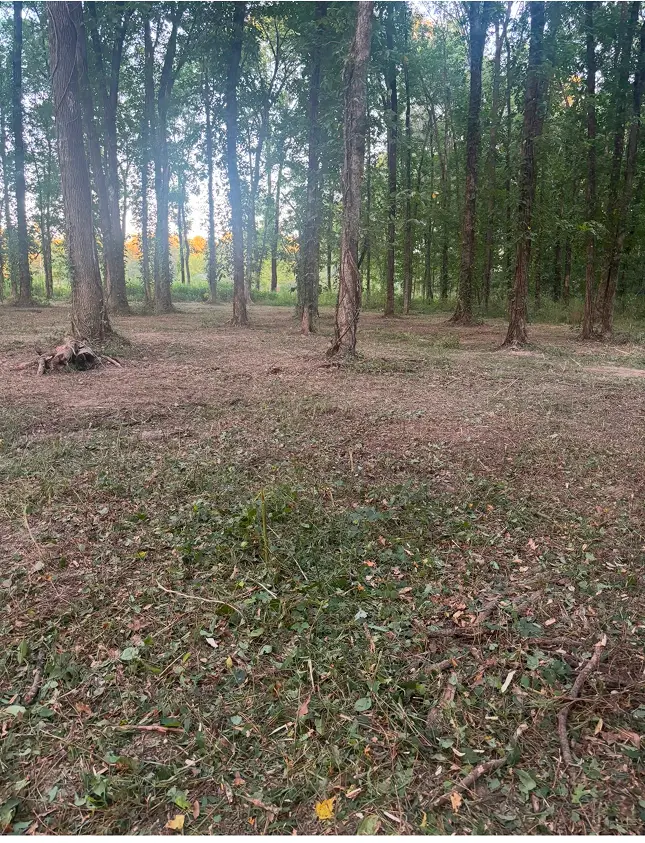
Burn piles take days to fully burn down, and in South Mississippi’s dry stretches, that’s a real fire risk. They also leave ash and bare dirt that erodes fast in the next hard rain. Our mulcher processes a tree in place, and the mulch left behind covers the ground and breaks down naturally into the soil over the following season.
Circle B3 was built by Jay Bass, a cattle farmer and longtime law enforcement officer who’s run heavy machinery for 8 years. That experience working land for his own herd is why a mulched pass matters to us: it leaves ground ready to reseed for pasture almost right away, where a cut-and-haul job on the same acreage can need weeks to recover. It’s also why we turn down jobs that genuinely call for a bulldozer and point the customer toward a different contractor instead of forcing the wrong tool onto their property.
Did You Know? Mulch left behind by a forestry mulcher acts as a natural weed barrier and slowly adds organic matter back into the soil, which is one reason ranchers and pasture owners specifically request this method over cut-and-haul clearing.
What to Expect: The Process Start to Finish
- Free site walk and estimate. We walk the property with you, talk through what you want the land used for, and give you a written number before anything’s scheduled.
- Scheduling. Winter tends to be our slower stretch, which can mean shorter wait times if your timeline is flexible. We worked straight through last December and January, so don’t assume the season rules you out — ask during your site walk.
- Clearing day. Our mulcher works the property in a single pass per section, moving systematically from one edge to the other. Most residential and small pasture jobs finish in a day; larger or heavily wooded tracts can run longer, and we’ll tell you that upfront.
- Walkthrough and handoff. Because mulching leaves material on-site instead of in a pile, there’s no separate hauling day. You can typically walk the finished property the same afternoon.
Pro Tip: If you’re clearing land ahead of a builder or grading contractor, tell us during the site walk. We can leave stumps ground flush instead of full removal, which often saves you money once grading starts.
How to Prepare Your Property Before Clearing Day
- Mark your property lines. If boundaries aren’t obvious, flag them so there’s no question about where clearing should stop. If your project is really about opening up a fence line or utility corridor, our right-of-way clearing page covers that scope specifically.
- Call before you dig. Have utility lines located and marked ahead of time.
- Clear equipment access. Leave a path wide enough for our mulcher to reach the work area.
- Talk to your neighbors. A quick heads-up avoids confusion about noise or dust near a shared property line.
Permits, Regulations, and Erosion Control
Do you need a permit to clear land? It depends on your county, acreage, and whether the property sits near a wetland, floodplain, or waterway. Small residential lots often don’t need one, but larger tracts and any land disturbance near water usually do. Land-disturbing work over one acre typically falls under the EPA’s Construction General Permit rules for stormwater runoff, and your county or city may layer on its own tree-removal or floodplain rules. A quick call to your local planning office before clearing day is worth it.
Bare, cleared ground erodes fast, especially on a slope. That’s another reason we lean on mulching — the mulch layer acts as ground cover that slows runoff while new vegetation takes hold. Operating a forestry mulcher also comes with real hazards; industry safety guidance on forestry mulcher operation calls for keeping a 300-foot clearance from bystanders because flying debris can travel that far, which is one more reason to hire a crew that’s done this before rather than renting equipment yourself.
Choosing the Right Land Clearing Contractor
A few questions before you hire can save you a headache:
- What method will you use, and why? They should be able to explain why they’re recommending mulching, skid steer work, or full excavation for your property.
- Is the estimate per acre or a total price? Get clarity on what’s included before the crew shows up.
- Do you carry insurance? Heavy equipment work on your property should always come with proper coverage.
- What happens to the debris? Know upfront whether you’re getting mulch left on-site, a hauling fee, or a burn pile you’ll manage yourself.
Experienced operators walk the property before quoting and give you a straight answer about which equipment fits, even if that means recommending against the job. If a company won’t visit your property before pricing it, that’s worth a second thought.
A smaller, lean crew can be a good sign, too. Circle B3 runs with a two-person team: one operator on the mulcher, one person handling logistics and scheduling. You’re talking to the same people from your first call through the final walkthrough, instead of getting passed between a sales rep, a dispatcher, and a crew you never meet.
Ready to Clear Your Land?
Land clearing doesn’t have to mean a burned pile of debris and weeks of torn-up ground. Circle B3 runs a single-pass mulching approach built on 8 years of hands-on machine experience and a cattle farmer’s understanding of what land actually needs to bounce back fast.
Contact our land clearing team for a free, no-obligation site walk and estimate. We serve Prentiss, Brookhaven, Jackson, Madison, McComb, and surrounding areas across South Mississippi and into Southeast Louisiana.
Frequently Asked Questions
What is land clearing?
Land clearing is the removal of trees, brush, stumps, and undergrowth from a property to prepare it for building, farming, or other use. Methods include excavator cut-and-haul work, skid steer clearing, and forestry mulching.
How much does land clearing cost per acre?
Most land clearing in South Mississippi runs $500 to $2,500 an acre for mulching, and up to $6,000 or more per acre for full excavator cut-and-haul clearing. Price depends on vegetation density, terrain, and debris handling.
How long does land clearing take?
Most residential lots and small pasture jobs finish in a single day with a forestry mulcher. Larger or heavily wooded tracts can take several days, which your contractor should outline during the estimate.
Do I need a permit to clear land?
Small residential lots often don’t require a permit, but land-disturbing work over one acre, or any work near a wetland or waterway, usually falls under state and federal stormwater rules. Check with your local planning office before clearing day.
What’s the difference between land clearing and forestry mulching?
Land clearing is the broad goal of removing vegetation from a property, while forestry mulching is one specific method that grinds trees and brush into mulch in a single pass. Mulching leaves material on-site instead of requiring separate hauling or burning.