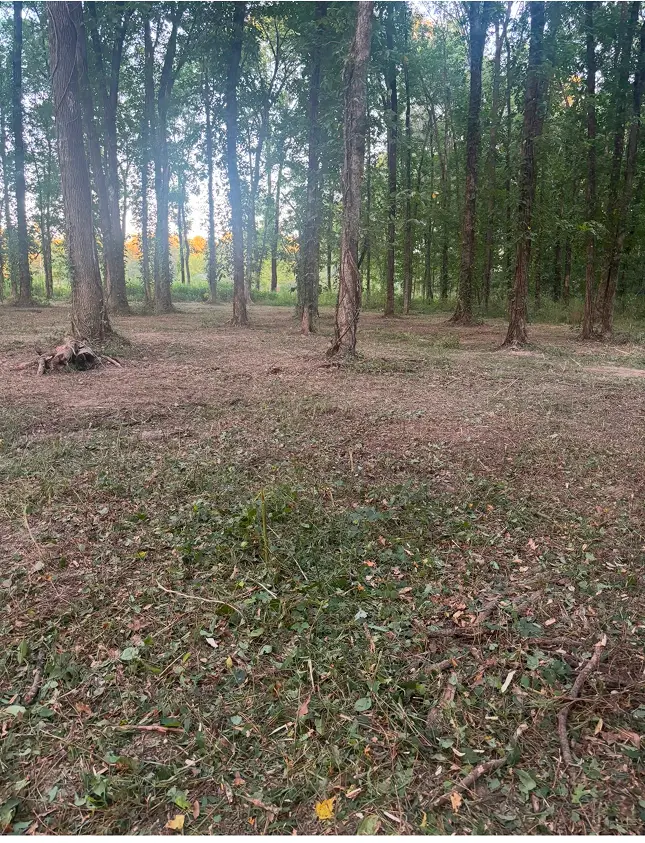
Land clearing matters because overgrowth can keep a property from doing what you bought it to do. Clearing can open a building area, restore access, reclaim pasture, improve visibility, or make a hunting tract easier to use. The right scope depends on the land and the next use, not acreage alone.
Why land clearing matters
Brush and small trees do more than make land look untidy. They can hide fence lines, narrow a driveway, block a planned building area, cover drainage paths, and make it hard to see how a property is laid out. When growth keeps spreading, small access or maintenance problems can become a larger project.
A clear plan changes the question from “How do I remove everything?” to “What does this ground need to become?” That distinction helps a landowner decide what should be opened, what should stay, and what the next contractor will need after the clearing is finished.
Did You Know? A property can need selective clearing without needing a full clear. A driveway, fence line, building footprint, trail, or hunting lane may be the real priority.
It prepares land for its next use
Land clearing is often the first practical step before a property can be used as planned. The scope will look different for a house site than for a pasture or hunting access. A walkthrough helps separate the work area from trees, buffers, and ground that should remain undisturbed.
Building and construction areas
A wooded or overgrown lot is hard to evaluate from the road. Brush can hide the proposed house footprint, driveway route, utility path, or septic area. Clearing the agreed areas gives the builder, surveyor, or grading contractor a more workable starting point. It also reduces the risk of clearing a section that was meant to stay for shade, privacy, or drainage.
Circle B3’s land clearing service describes the job around the property’s intended use, including building sites, access areas, and other defined corridors. Clearing is not the same as grading or foundation work, so the handoff should be clear before equipment arrives.
Pasture and field recovery
Brush can take usable ground away from grazing or field operations. Reclaiming a pasture may mean opening selected areas while keeping the ground and boundaries easy to manage. The property owner should identify gates, water features, fences, and any trees or habitat that need to remain.
Hunting and recreational access
A hunting property may need shooting lanes, food-plot edges, stand access, or a walkable route rather than a blank tract. A selective plan can make those areas easier to reach while keeping the rest of the property intact. Marking the desired corridors before work begins helps the crew clear to the intended purpose.
Pro Tip: Walk the property before the estimate and mark the areas that must stay. “Clear the back field” can mean something very different from “clear everything behind the fence.”
It improves access and visibility
Overgrowth can hide hazards and make routine property checks harder. A cleared route can make it easier to inspect fences, reach a gate, see down a driveway, or check a low area after rain. That does not make every route safe or solve drainage problems, but it gives the owner a better view of what needs attention.
Access also affects future work. Builders, utility crews, surveyors, and maintenance equipment all need a route that fits the project. If access is not discussed during the initial scope, the finished clearing may look open while the actual work area remains difficult to reach.
Land clearing can also support better property maintenance. When growth is brought back from a fence, driveway, or structure, the owner can see changes sooner. Selective work may be enough; a full clear is not automatically the better choice.
Pro Tip: Ask where clearing ends and grading begins. A clear handoff keeps the next phase from being assumed into the wrong scope.
Good clearing protects the ground
Land clearing should not trade one problem for another. Heavy equipment, wet soil, steep ground, streams, and poorly planned roads can increase runoff or soil disturbance. Mississippi State University Extension notes that forestry best management practices address roads, site preparation, revegetation, and streamside management zones. Its guidance also says heavy equipment should be kept off saturated soils during site preparation.
The Mississippi Forestry Commission’s forestry BMP handbook explains that planning and drainage can help reduce nonpoint-source pollution and protect site productivity. The MSU soil compaction guide explains why repeated traffic and heavy equipment on wet soils can reduce pore space and make it harder for roots and water to move through the ground.
These sources do not mean every property needs the same treatment. They point to a better estimating conversation: where is the ground soft, where does water move, what should stay protected, and what finish does the owner need? A careful scope can reduce unnecessary disturbance and make the next phase easier to plan.
Did You Know? Mulching in place can leave organic material on the ground instead of creating a separate debris-hauling step. It still does not replace site-specific planning for slopes, streams, saturated soil, or future grading.
Start with the right scope
The best clearing plan begins with a few plain answers:
- What should the property be used for next?
- Which area must be opened first?
- What trees, buffers, fences, utilities, or water features must stay?
- Where can equipment enter and turn around?
- Has the ground stayed soft after rain?
- Does another contractor need a defined handoff for grading, building, fencing, or planting?
Circle B3’s live land-clearing pages describe a purpose-first walkthrough and a drum-mulching approach that processes brush, saplings, and small timber in place. That method may fit a property where the owner wants a workable surface and mulch left on site, but it is not a promise that every project needs the same machine or scope. A professional should say when a different contractor or additional phase is needed.
If you are comparing methods, start with Circle B3’s South Mississippi land-clearing methods article, then bring your property goals and boundaries to the estimate. The goal is not to remove the most material. It is to make the right ground usable while respecting the ground that should remain.
Circle B3’s free property walkthrough gives the crew a chance to see the conditions a map cannot show. Use the contact page to request a free, no-obligation walkthrough and estimate.
Frequently Asked Questions
Why is land clearing important before building?
Land clearing can open the planned building footprint, driveway route, and other agreed work areas so the next construction step has a workable starting point. It also gives the owner a chance to identify trees, buffers, access limits, and soft ground before the scope is set.
Does land clearing mean removing every tree?
No. The scope can be selective and may focus on a building area, fence line, driveway, trail, pasture edge, or hunting lane. The owner and contractor should mark what must stay before work begins so the result matches the property’s intended use.
Can land clearing help with property maintenance?
Yes, clearing selected overgrowth can make fences, gates, driveways, and routes easier to inspect and maintain. It does not fix drainage, replace grading, or guarantee fire or pest control, so those needs should be discussed separately during the walkthrough.
What should I ask before hiring a land-clearing contractor?
Ask what the quoted scope includes, what will stay, how equipment will enter, how wet or sloped ground will be handled, and what condition the site will be left in. Also ask where clearing ends and grading, hauling, stump work, or construction work begins.